
What is a Fuel Container and How to Choose the Right One?

Time:2026-08-18 Author:Sophia
0%

Choosing the right fuel container is crucial for safety and efficiency. A fuel container stores various fuels, like gasoline or diesel, ensuring they remain secure and uncontaminated. There are numerous options available, each designed for specific needs. This decision can feel overwhelming for many individuals.

Fuel containers come in various shapes and sizes. They differ in material, capacity, and features. Some are designed for easy transport, while others focus on extended storage. Consider your specific needs before making a choice. A properly selected fuel container can prevent spills and accidents.

It’s important to be aware of the regulations regarding fuel containers in your region. Compliance with safety standards is not optional. A reliable fuel container can save time and money. However, improper use can lead to significant risks. Choose wisely, and keep safety at the forefront.
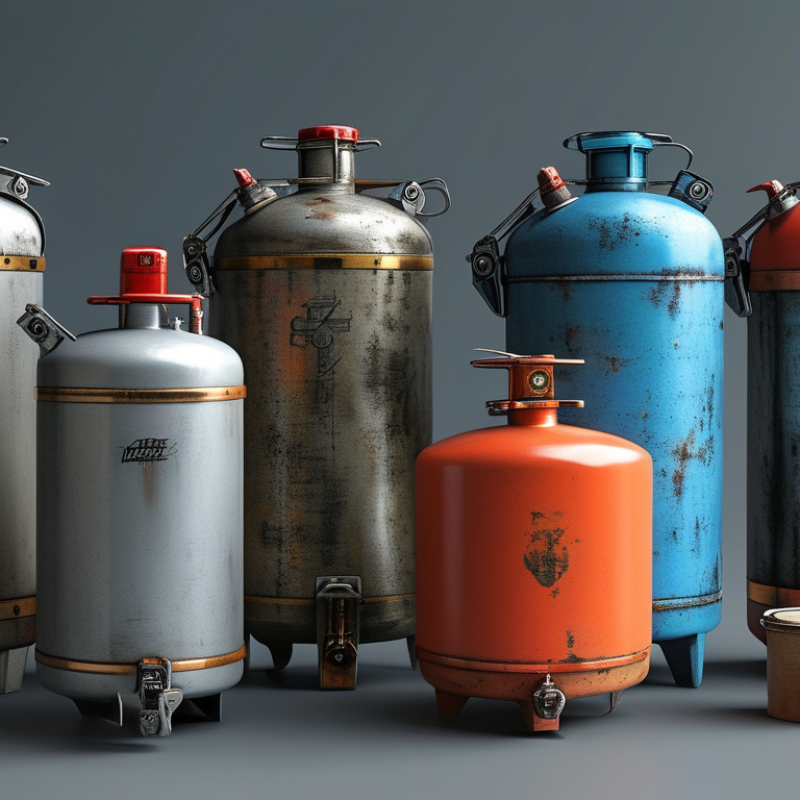
What is a Fuel Container and How to Choose the Right One?

What is a Fuel Container?

A fuel container is a specially designed vessel for storing fuel securely and safely. The materials often used include steel and high-density polyethylene, both known for their durability and resistance to various chemicals. According to the National Fire Protection Association, improper storage of fuel can lead to hazardous situations, making the choice of the right container crucial.

Fuel containers vary widely in size and application. For instance, portable containers are ideal for personal use, while larger tanks might be necessary for commercial settings. A report from the American Petroleum Institute states that over 90% of fuel-related accidents stem from improper storage. This highlights the importance of selecting the right container that adheres to safety standards and regulations. Fuel containers should also feature secure seals and robust handles for ease of use.

Choosing a fuel container isn't straightforward. Environmental factors, like exposure to sunlight and extreme temperatures, can degrade materials over time. Not every container is suited for every type of fuel, which can create confusion. Additionally, it's vital to regularly inspect containers for leaks or damage. Every detail counts when ensuring safety and compliance.

What is a Fuel Container and How to Choose the Right One?

Container Type Capacity (Liters) Material Safety Features Best Uses
Plastic Fuel Container 5 - 20 High-Density Polyethylene Ventilation, Child-proof Cap Portable fuel storage for gardening and tools
Metal Fuel Can 10 - 25 Steel Flame arrestor, Pressure relief valve Automotive fuel storage
Collapsible Fuel Bag 5 - 50 TPU (Thermoplastic Polyurethane) Screw cap, UV resistance Camping, outdoor activities
Jerry Can 20 - 50 Metal or Plastic Anti-spill nozzle, Durable design Military, emergency fuel supply
FUELSAFE Container 10 - 30 Low-density Polyethylene Integrated grounding wire, Flame-resistant Aviation and industrial fuel storage

Types of Fuel Containers Available in the Market

Fuel containers come in various types, each designed for specific uses. Understanding these types will help you choose the right one for your needs. Let's explore some common fuel containers available in the market.

One popular option is the plastic fuel can. These lightweight containers are usually designed for transporting gasoline or diesel. They are often equipped with safety features, such as spouts that minimize spills. However, not all plastic cans are created equal. Always check for quality and durability, as some may degrade over time.

Metal fuel containers are another reliable choice. They provide extra strength and protection against punctures. Additionally, they tend to last longer than plastic models. Yet, weight can be a concern. Metal containers are heavier, which may pose a challenge for transport.

Tips: Always choose a container that meets safety standards. Look for labels and certifications that indicate compliance. Storing fuel safely is essential. Avoid leaving containers in direct sunlight, as heat can affect the integrity of the material.

For specialized needs, such as storing aviation fuel, special containers are available. These containers often have stringent safety measures in place and may offer features like built-in pressure relief valves. Remember, improper use can lead to serious hazards, so be mindful of the type of fuel and container compatibility.

Key Features to Consider When Choosing a Fuel Container

When selecting a fuel container, safety is paramount. You want a container that is robust and free from leaks. Look for features like secure seals and durability. Materials such as high-density polyethylene (HDPE) are recommended for their strength and resistance to chemicals.

Another essential factor is capacity. Think about your needs before making a choice. A container too small may require frequent refills, while one that's excessively large can be cumbersome. Consider how you will transport it. Ergonomic designs can help with lifting and pouring.

Also, be aware of regulatory requirements in your area. Some containers meet specific regulations while others don't. Always do your research to avoid penalties or safety hazards. The right fuel container combines practical design with safety features. Investing time in selection can prevent future issues.

Fuel Container Capacity Comparison

This chart illustrates the capacity of various fuel containers ranging from 5 to 30 gallons. It provides a visual representation to help you choose the right fuel container based on your needs.

Safety Guidelines for Fuel Container Use and Storage

When using fuel containers, safety should always come first. Proper storage is crucial. Keep fuel in a cool, dry place, away from sunlight. Ensure the container is tightly sealed to prevent leaks. If fuel containers are left in a hot area, pressure can build, causing dangerous ruptures.

Tips: Check containers regularly. Look for signs of wear and tear. If you notice any damage, replace the container immediately. Ventilation is key, especially in enclosed spaces. It can prevent the buildup of harmful fumes.

Avoid overfilling containers. This practice can lead to spills and increases the risk of fire. Make sure to store containers upright. This reduces the chances of accidental leaks. Be mindful of local regulations on fuel storage. They can guide you on safe practices and limits.

Tips: Use a funnel for spills. It helps keep the area clean and safe. Always label your containers clearly. This way, everyone knows what is stored inside. Regularly review your storage practices. Reflect on what improvements can be made to enhance safety.

Maintenance Tips for Fuel Containers to Ensure Longevity

Maintaining fuel containers is crucial for their longevity. Regular inspections help prevent leaks. Check for rust or damage. A visual inspection can reveal issues before they become serious. Safe storage is vital. Keep containers away from direct sunlight and heat sources. This prevents degradation of materials.

Cleaning your containers is essential. Dirt and debris can accumulate over time. Use warm soapy water and a soft cloth. Avoid abrasive materials that may scratch the surface. After cleaning, allow containers to dry completely. Moisture can lead to corrosion and compromise the container's integrity.

Consider labeling your fuel containers. Clear labels help identify contents easily. This reduces the risk of accidents. It’s important to remember that even well-maintained containers have a lifespan. Regularly assess your containers and replace them when needed. A proactive approach can save you from future headaches and maintain safety.

FAQS

: What should I look for when choosing a fuel container?

: Prioritize safety. Choose a robust container, free from leaks, with secure seals.

What materials are recommended for fuel containers?

High-density polyethylene (HDPE) is ideal. It offers strength and chemical resistance.

How do I determine the right capacity for my fuel container?

Assess your needs. A too-small container leads to frequent refills; a too-large one can be cumbersome.

Why is ergonomic design important for fuel containers?

Ergonomic designs facilitate lifting and pouring. They make handling the container easier and safer.

What are the storage guidelines for fuel containers?

Store fuel in a cool, dry place, away from sunlight. Keep containers tightly sealed to prevent leaks.

How often should I check my fuel containers?

Regular inspections are essential. Look for signs of wear and replace damaged containers promptly.

What should I do if my container shows signs of damage?

Replace it immediately. Using damaged containers poses safety risks.

Why is ventilation important when using fuel containers?

Adequate ventilation prevents the buildup of harmful fumes, especially in enclosed spaces.

What practices help prevent spills when using fuel containers?

Avoid overfilling and store containers upright. Use a funnel to manage spills safely.

Should I label my fuel containers?

Yes, clear labeling helps everyone know what is stored inside, enhancing safety.

Conclusion

A fuel container is an essential tool for safely storing and transporting fuel, designed to prevent spills and minimize hazards. There are various types of fuel containers available, including portable cans, drums, and tanks, each suited for different needs. When choosing the right fuel container, it is important to consider key features such as capacity, material, and compatibility with the type of fuel intended for storage.

Safety is paramount when using and storing fuel containers; it is crucial to follow guidelines such as keeping them in well-ventilated areas and away from ignition sources. Additionally, regular maintenance is important to ensure longevity, including checking for leaks, proper cleaning, and ensuring that seals are intact. By understanding the types, features, and safety practices regarding fuel containers, users can make informed decisions that ensure safe handling and storage of fuel.

Sophia

Sophia

Sophia is a dedicated marketing professional with an exceptional depth of knowledge about her company's products and services. With a keen understanding of market trends and customer needs, she crafts insightful blog posts that not only inform but also engage readers, enriching the company’s online......