
Choosing the right Shampoo Making Machine can be a daunting task. Industry expert John Miller, a veteran in cosmetic manufacturing, emphasizes, "The right equipment can define your product's quality." Selecting this machine is essential for any business looking to create high-quality shampoos.
The market offers a variety of Shampoo Making Machines. Each machine has unique features that cater to different production needs. Understanding your specific requirements is crucial. For instance, you may need machines that allow for customization or those that offer high efficiency. These factors can significantly affect your production process and final product.
Investing in a Shampoo Making Machine is not just about machinery; it's about your brand's future. It’s important to reflect on your goals and how this machine aligns with them. Ensuring reliability in machinery can sometimes be overlooked. However, consistent quality is key in the highly competitive shampoo market. Choosing wisely will set the tone for your success.
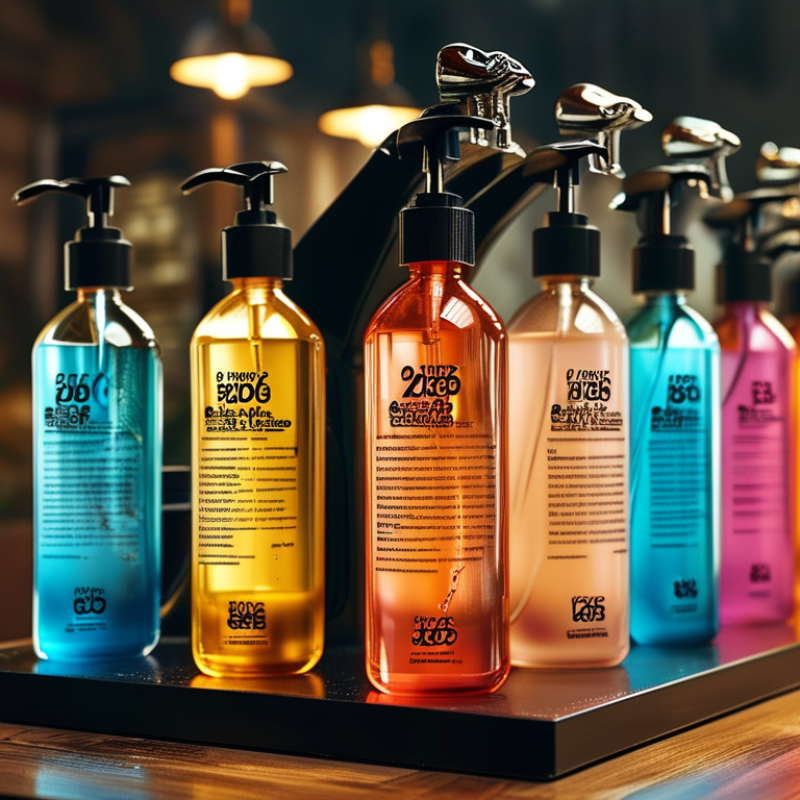
When choosing a shampoo making machine, several factors come into play. First, consider the production capacity. It should align with your business needs. If you have a small venture, a compact machine might suffice. Larger businesses may require industrial-grade equipment that can handle high volumes.
The type of mixing technology used is also crucial. Some machines use high-shear mixers, while others employ agitators. Each type has its strengths. High-shear mixers are often more efficient for creating a uniform product. However, they may be more complex to operate and maintain.
Another important element to reflect on is ease of use. A user-friendly interface can save time during production. Invest in a machine that offers clear controls and settings. Additionally, check the machine's cleaning and maintenance requirements. Regular upkeep is essential for optimal performance, but it should not be overly burdensome. Balancing these factors can lead to a more effective production process.
When selecting a shampoo making machine, understanding its types and applications is crucial. Various machines cater to different needs within the shampoo manufacturing process. Batch mixers are ideal for small-scale production. They allow for flexibility in experimentation with different formulas. In contrast, continuous mixers are suited for larger operations. They streamline the process, ensuring uniform consistency.
In the realm of shampoo production, emulsifying machines play a vital role. These machines blend oil and water components effectively. This results in a smooth, homogeneous mixture. Another important type is the filling machine. It efficiently fills bottles, ensuring accuracy and speed. Investing in reliable equipment can significantly improve productivity.
Tips: Always evaluate the machine's capacity. Choose a size that aligns with your production goals. Regular maintenance is essential for optimal performance. Listen to user reviews and gather insights from experienced operators. This can help you identify potential challenges and areas to improve. Make informed decisions based on real-world experiences.
When selecting a shampoo making machine, focus on key features that enhance production efficiency. One of the most crucial aspects is the machine's capacity. According to industry reports, the global shampoo market value is expected to reach $37 billion by 2026. As demand grows, machines capable of accommodating larger volumes become essential. Consider machines that can handle varying batch sizes. This flexibility allows brands to adjust production based on market trends.
Another important feature is automation. Advanced machines offer automation for mixing, filling, and packaging. Automation reduces human error and increases speed. A report from Market Research Future suggests that automated shampoo production can improve output by up to 30%. However, not every brand may need full automation. Smaller businesses might find manual processes more practical.
Quality control is also vital. The machine should incorporate systems that ensure consistency in formula and texture. Consumers often seek specific textures or lathers in their shampoo. Variability can lead to customer dissatisfaction. Investing in machines with integrated testing capabilities can provide reassurance. Nonetheless, regular maintenance is a must. Neglecting machine upkeep might lead to unexpected downtimes.
When investing in shampoo making equipment, understanding costs and budget considerations is crucial. A comprehensive market report suggests that the average cost of a shampoo making machine can range from $5,000 to $50,000. Costs vary significantly based on machine capacity, materials, and technology features. For startup businesses, it's vital to analyze your production needs. Investing in advanced technology might seem beneficial, but it may strain initial budgets.
Also, consider the long-term operational costs. Maintenance, energy consumption, and raw material quality can impact profitability. According to industry experts, about 15% of production cost can be attributed to machine operation efficiency. Not all machines offer the same efficiency, leading to potentially higher expenses in labor or downtime. It is crucial to conduct a thorough cost analysis.
Flexibility in budget allocation can lead to improved equipment selection. Sometimes, lower-priced machines lack essential features, which may force future upgrades. Reflecting on these considerations can help make an informed decision. Be ready for unexpected expenses. Planning for potential machine failure or increased demand is necessary for sustainable growth in the shampoo market. Balancing short-term needs with long-term goals requires careful planning and reflection.
When choosing a shampoo making machine, maintenance and support are crucial aspects. Regular maintenance ensures optimal performance and prolongs the machine's lifespan. Neglecting this can lead to operational issues, impacting production quality. Create a maintenance schedule that includes routine parts inspections and cleanings. Consider the machine’s design; easier access can simplify this process.
Support from the manufacturer is equally important. A reliable support team can assist with troubleshooting and repairs. Evaluate their response time and technical expertise. Look for resources like user manuals or online tutorials to aid your team. Investing time in training operators can enhance their confidence, leading to smoother operations.
Frequent checks can help identify small problems before they escalate. However, collaborate with the manufacturer for complex issues. Relying solely on DIY solutions may not always yield the best results. Cultivating a relationship with a support team provides peace of mind. They can offer insights that enhance your operation's efficiency and sustainability.
: Consider production capacity first. Match it with your business needs. A compact machine works for smaller ventures.
It’s very important. High-shear mixers create uniform products, but can be complex. Agitators are simpler but less efficient.
A user-friendly interface saves time. Clear controls lead to smoother operations. Overly complex settings can slow production.
There are batch mixers for small production and continuous mixers for large operations. Each serves specific production needs.
Regular maintenance is crucial for performance. However, it shouldn't be overly burdensome. Balance maintenance time with production output.
Costs vary widely, from $5,000 to $50,000. Analyze your needs carefully. Advanced technology might strain budgets for startups.
About 15% of production costs come from machine efficiency. Inefficient machines can lead to higher labor and downtime expenses.
User reviews provide real-world insights. They highlight potential challenges and help identify areas for improvement.
Plan for potential machine failures or increased demand. This preparation is key for sustainable growth in the shampoo market.
Balance both. Immediate needs are important, but long-term planning enhances growth. Reflect on how your choices affect future operations.
When selecting the best Shampoo Making Machine, several critical factors come into play. It's essential to consider the type of machine that suits your production needs, as variations exist based on application and scale. Key features such as efficiency, capacity, and ease of use should also be carefully evaluated to ensure optimal performance. Additionally, understanding the cost and budget allotted for shampoo production equipment is crucial, as it helps in making informed decisions without overspending.
Maintenance and support for the Shampoo Making Machine are equally important. A reliable support system ensures minimal downtime and prolongs the equipment's lifespan, allowing for consistent production. By keeping these aspects in mind, manufacturers can choose a shampoo making solution that aligns with their operational goals and quality standards.
